
We Are Always Connected — Yet Rarely Present
Not too long ago, silence was a normal part of life. People sat quietly during train rides. Meals happened without phones on the table. Even boredom had space to exist. Today, most people wake up and immediately enter a flood of information — notifications, emails, reels, messages, headlines, opinions, and endless scrolling. The mind barely gets a moment to settle. Over time, this constant stimulation begins affecting something far deeper than attention span. It quietly affects emotional balance, sleep quality, clarity, and the ability to feel internally at peace. Many people are not physically exhausted. They are mentally overstimulated.
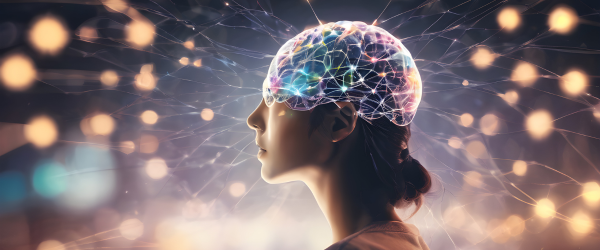
The Nervous System Was Never Designed for This
Human beings evolved around natural rhythms — sunlight, silence, movement, rest, and real human interaction. Modern life functions very differently. Now the brain processes nonstop notifications, rapid content consumption, social comparison, multitasking, constant accessibility, and excessive screen exposure. Even during moments of physical rest, the mind often remains hyperactive. This creates a continuous state of low-level stress inside the nervous system. Over time, it can show up as anxiety, irritability, emotional fatigue, insomnia, overthinking, and difficulty relaxing deeply.
Why Social Media Feels So Mentally Draining
Most digital platforms are built to capture attention for as long as possible. Every swipe offers novelty. Every notification creates anticipation. Every scroll keeps the brain searching for more stimulation. The result is subtle but powerful: the mind becomes conditioned to avoid stillness. Many people now feel uncomfortable in silence not because silence is difficult — but because the brain has become dependent on constant input.

The Hidden Exhaustion of Constant Consumption
One of the strange realities of modern life is that a person can spend hours on screens and still feel completely drained afterward. Not because the body worked hard. Because attention did. Attention is energy. Every piece of content consumes a small amount of mental and emotional bandwidth. Over time, endless digital consumption leaves the mind feeling scattered and overloaded.

Ancient Wisdom and the Importance of Stillness
Long before smartphones existed, ancient traditions understood the importance of inner stillness. Teachings found in Vigyan Bhairav Tantra and other meditative systems emphasized breath awareness, observation, silence, and conscious presence as ways to bring the mind back into balance. Even a few minutes of quiet breath awareness can create noticeable shifts in how the nervous system feels. The mind slows down. The body softens. Awareness becomes less scattered.
Signs of Digital Overstimulation
Some common signs include:
• Difficulty being away from the phone
• Racing thoughts
• Poor concentration
• Emotional numbness
• Constant restlessness
• Inability to enjoy silence
• Feeling mentally full all the time
• Difficulty sleeping without screen exposure
Relearning Calm
Inner peace does not require abandoning modern life completely. It begins with creating small moments of intentional pause. Simple practices like mindful breathing, silent walks, reduced notifications, and screen-free mornings slowly teach the mind how to rest again.
Conclusion
Technology itself is not the problem. The problem begins when stimulation becomes constant and awareness disappears. Perhaps that is why ancient practices of breath awareness and mindfulness feel so relevant today. They remind people to slow down. To observe. To breathe. To return to themselves. At Swa Yatra, we explore practical inner practices rooted in awareness, breath, and conscious living — helping individuals reconnect with calmness and clarity amidst the noise of modern life.